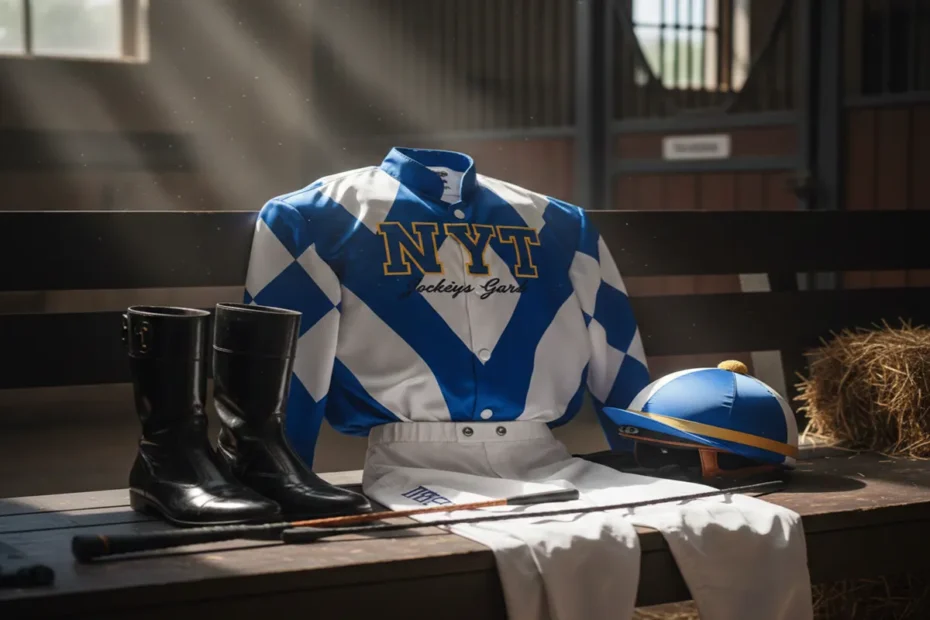
When you picture a horse race, the first thing that often comes to mind is the vibrant colours and sleek outfits of the riders. These distinctive racing costumes, known as jockeys’ garb, are more than just fashion they are steeped in history, tradition, and practicality. If you search for jockeys garb NYT, you are stepping into a world where heritage, identity, and performance converge on the racetrack.
The History and Legacy of Jockey Attire
Jockey attire has a long and fascinating history. The tradition of wearing colourful silks to represent horse owners and stables dates back centuries. Originally, these colours helped spectators distinguish between horses during a race. Over time, this evolved into a formal system, where each design and colour combination was registered and unique to a particular owner or stable.
The evolution of jockeys’ garb reflects both innovation and respect for tradition. While modern materials have replaced some of the delicate fabrics of the past, the essence of bright, eye-catching silks remains, symbolising pride, heritage, and identity. The phrase jockeys garb NYT captures this long-standing connection between history and the modern racing world.
Components of Modern Jockey Gear
A jockey’s outfit is carefully designed to balance tradition, identity, safety, and performance. Every piece serves a purpose, and together, they create a functional yet iconic ensemble.
-
Silks / Racing Colours: These jackets and matching helmets are the most visible part of a jockey’s attire. Each pattern is registered to a stable, ensuring easy identification during races.
-
Helmet: Safety is paramount in horse racing. Jockeys wear certified helmets to protect against head injuries during falls.
-
Protective Vest: Worn beneath the silks, these padded vests provide critical protection while remaining lightweight.
-
Breeches: Traditionally white and snug-fitting, these pants allow for maximum mobility while riding.
-
Riding Boots: Designed with small heels to prevent slipping, these boots are both practical and durable.
-
Goggles and Gloves: Essential for maintaining visibility in muddy or rainy conditions and for a secure grip on the reins.
-
Whip / Crop: Regulated for length, weight, and materials, it is a tool used under strict racing rules.
Each element of the jockey’s garb is the result of centuries of refinement, combining performance needs with the sport’s rich heritage.
Importance of Jockey Attire
Jockey attire serves three main purposes:
-
Safety: Horse racing is inherently fast and risky. Helmets, vests, and proper footwear protect jockeys from potential injuries during high-speed falls.
-
Recognition: With multiple horses competing simultaneously, distinctive silks make it easier for officials, commentators, and spectators to track individual horses.
-
Identity and Tradition: Racing colours represent stables, owners, and often family legacies, maintaining a connection to the sport’s history.
By wearing this gear, jockeys honour both the practical needs of the sport and the traditions that have shaped it for centuries. The term jockeys garb NYT embodies this balance of function and heritage.
The Evolution of Materials and Design
Over the years, jockey attire has evolved dramatically. While silk jackets were once standard, modern materials like synthetic fabrics provide durability, comfort, and better aerodynamics. Safety standards have also progressed, with helmets and vests now meeting rigorous regulations to protect riders at high speeds.
Despite these advancements, the visual identity of jockey silks remains intact. Bold colours, stripes, stars, and other patterns continue to distinguish each rider, blending the rich history of horse racing with modern technology. Even in challenging weather, jockeys are equipped with goggles and moisture-wicking fabrics to maintain visibility and performance.
Appreciating the Craft of Jockey Attire
Watching a horse race with a clear understanding of jockey attire adds an extra layer of appreciation. The colours and patterns are not arbitrary; they tell a story of ownership, tradition, and pride. Every helmet, vest, and jacket is a symbol of the sport’s legacy, carefully designed to ensure safety without compromising speed or agility.
When you come across jockeys garb NYT, think beyond the bright colours. You are seeing a sophisticated combination of history, innovation, and performance woven into every thread. It’s not just clothing, it’s a representation of identity, a badge of honour, and a testament to the enduring appeal of horse racing.
Conclusion
Jockeys’ garb is one of the most recognisable elements of horse racing. It reflects centuries of tradition, serves critical safety functions, and showcases the heritage of each owner and stable. From the vivid silks to the protective gear, every piece is thoughtfully designed to meet the demands of the sport while celebrating its rich history.
Whether you’re a long-time fan or a newcomer, exploring jockeys garb NYT gives insight into why this attire is much more than just a costume. It is a symbol of speed, identity, and legacy, a perfect blend of fashion, function, and tradition on the racetrack.
FAQs:
1. What is jockeys garb?
Jockeys garb refers to the specialised attire worn by horse riders during races, including silks, helmets, breeches, boots, and protective vests.
2. Why are the silks colorful?
The bright colours and patterns of silks help spectators, judges, and commentators identify each horse and its owner during a race.
3. Is safety gear part of jockey attire?
Yes. Modern jockeys wear helmets, protective vests, and gloves to reduce the risk of injury while racing at high speeds.
4. Has jockey attire changed over time?
Yes. While traditional silks remain, modern materials like synthetics improve durability, comfort, and performance without losing the classic look.
5. What does “jockeys garb NYT” mean?
The term highlights the iconic racing attire, combining heritage, safety, and style in the context of modern horse racing.